Comparison
Linen or cotton sheets: which suits your sleep?
One softens the night you buy it. The other pays you back for a decade. The catch is which sleeper you are.
Draws on the textile studies listed below
What's in this list
- 01Linen or cotton sheets: the feel gap closes, but not on the first night
- 02Temperature and breathable bedding for hot sleepers
- 03Sheet durability, upkeep, and how thread count fits in
- 04What flax linen bedding actually costs you
| Dimension | Linen sheets (flax) | Cotton sheets |
|---|---|---|
| First-night feel | Crisp, structured, faintly rough. Takes several washes to reach its famous lived-in softness. Rewards patience more than the first night. | Smooth and pliable straight out of the packet. Higher thread count and long-staple grades feel plush immediately. |
| Sleeping hot | Open weave and fast moisture release tend to feel cooler through the night, though a heavy linen sheet narrows that gap. | Breathable, especially in percale, but holds a little more warmth and can feel damp once it absorbs sweat. |
| Sleeping cold | Airflow that helps in summer works against you in winter unless the weave is dense. | Retains warmth better, and flannel or sateen cotton is a natural pick for cold rooms. |
| Lifespan | Flax fiber is markedly stronger at the single-fiber level, and well-made linen often outlasts cotton with gentle care. | Softer, more elastic fiber that resists wrinkling but tends to thin and pill sooner in high-friction spots. |
| Cost over time | Higher sticker price, potentially lower cost per year of use if the set genuinely goes the distance. | Cheaper to buy and easy to replace, which suits people who like to rotate or refresh sets. |
The verdict
For a hot sleeper buying one set to keep for years, choose linen. For softness on night one, a cold bedroom, or a tighter budget, choose cotton, ideally a long-staple percale.
- Linen sheets (flax) suits
- Warm sleepers, humid bedrooms, and anyone treating sheets as a long-term buy they'll wash gently and keep.
- Cotton sheets suits
- Cold sleepers, people who want instant softness, and budget-minded buyers who like refreshing sets often.
Walk into any bedding aisle and the pricier stack is almost always flax. That gap isn’t a marketing accident, and it isn’t really about softness either. So before you spend, split the linen or cotton sheets question into the four things you’ll actually notice: how the sheet feels, how it handles heat, how long it lasts, and what it costs across the years you own it. The honest answer shifts depending on which of those matters most to you.
Linen or cotton sheets: the feel gap closes, but not on the first night
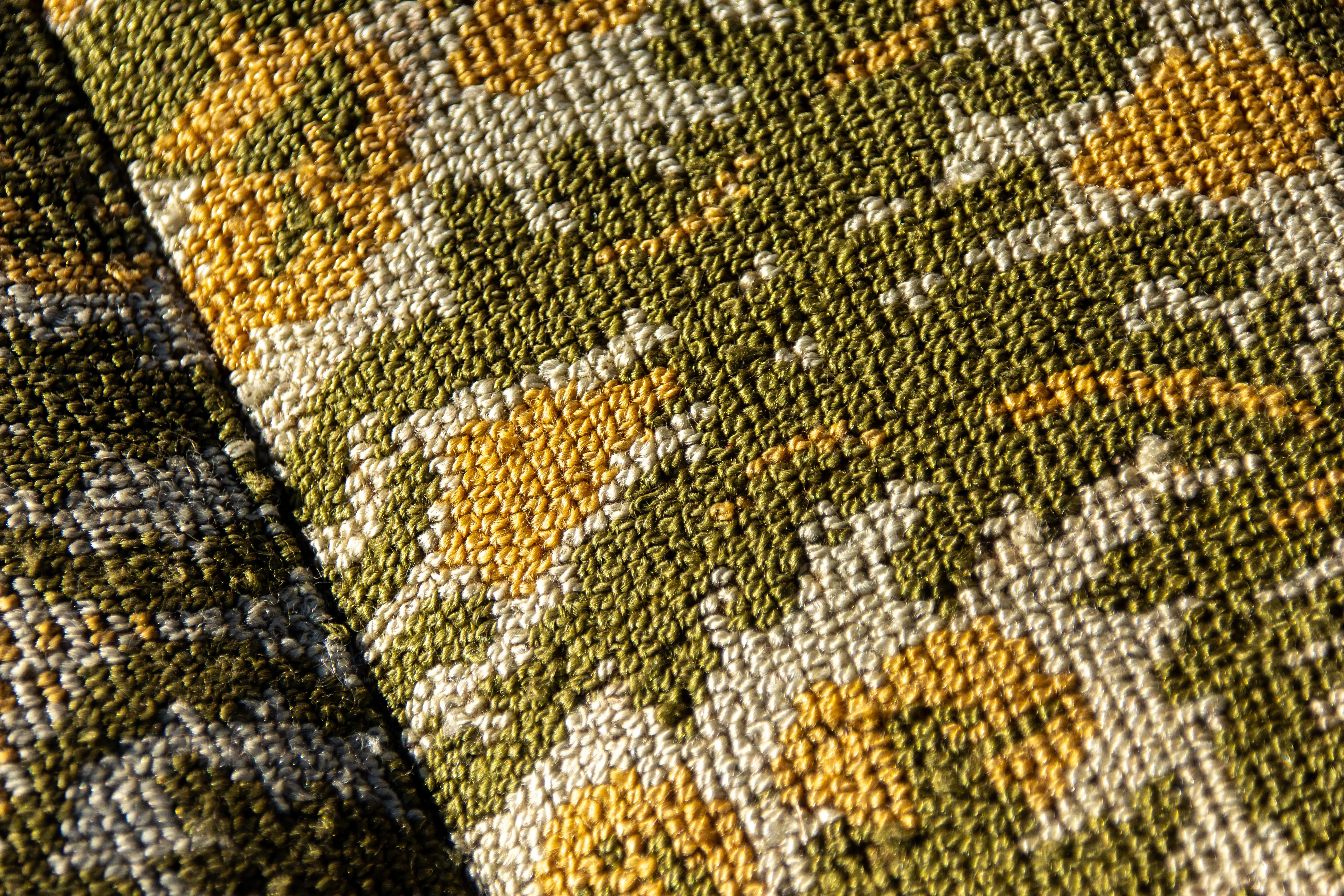
Cotton wins the opening round without breaking a sweat. Its shorter, finer, more twisted fibers spin into a smooth surface, and long-staple grades like Pima feel plush right out of the packet. Linen starts stiffer. The flax fiber is thicker and less springy, which is exactly why a new linen sheet has that crisp, papery hand to it. What washing does is the part worth paying attention to. Objective testing with the Kawabata evaluation system found that 100 percent linen fabrics scored higher on tensile resilience and compression than cotton, and that the surface friction people read as roughness softens a lot with enzyme and softening finishes [1]. Put simply, a well-finished linen sheet keeps getting better, while a cotton sheet is about as soft as it’ll ever be the day you unwrap it. Judge sheets by the first night and cotton takes it. Judge them by the hundredth and the two converge, with plenty of people ending up preferring the linen texture.
Temperature and breathable bedding for hot sleepers
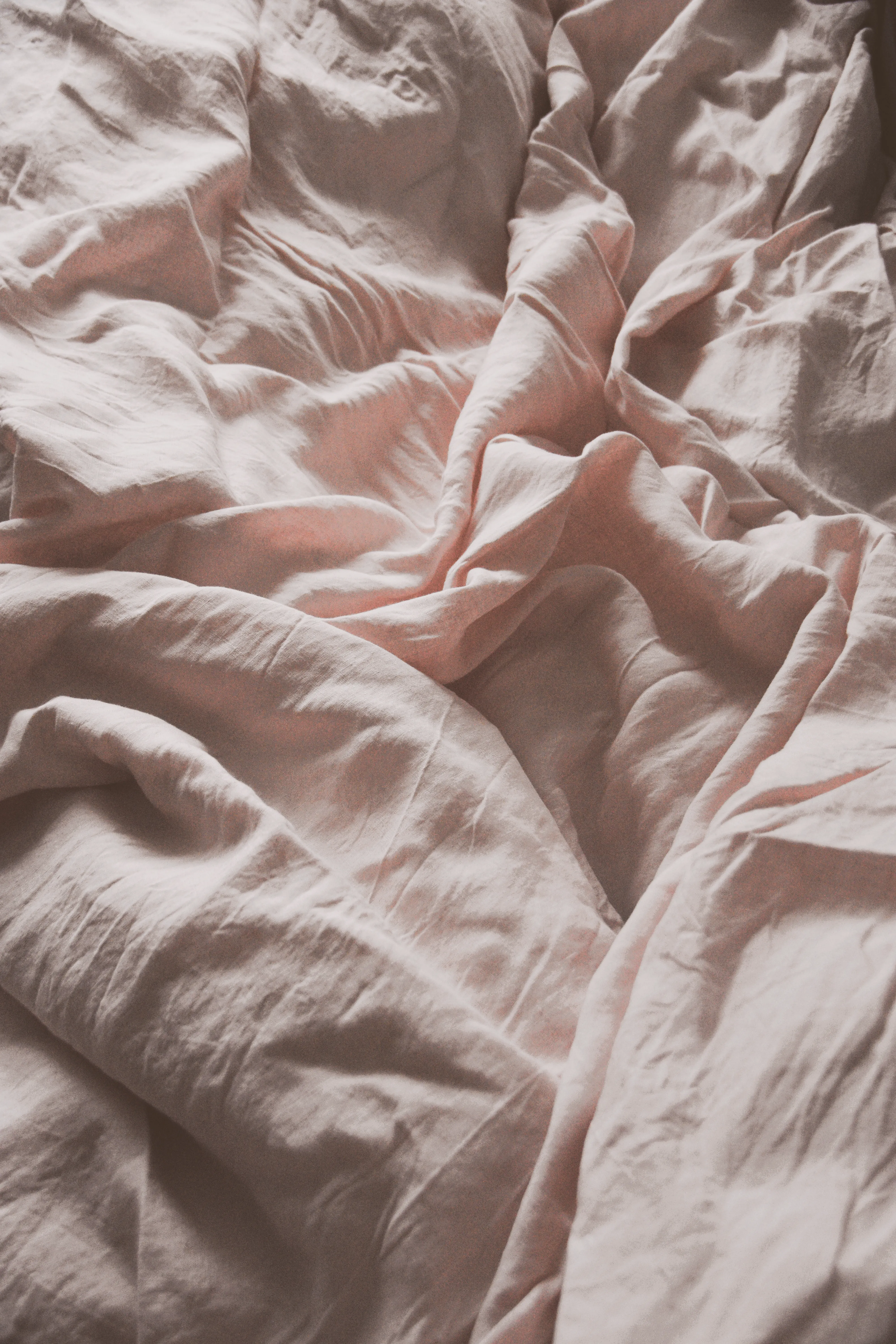
This is where flax earns its reputation, with one caveat worth holding onto. Linen’s open weave and hollow fiber move moisture off the skin and release it into the air fast, so it rarely feels clammy. Cotton is genuinely absorbent, soaking up more of its weight in water than linen does, but it holds that moisture longer and can cling once you’ve been sweating. The research is calmer than the marketing. Comparative textile work notes that linen and linen blends tend to show higher thermal conductivity, the property that makes a sheet feel cool to the touch, while also confirming linen’s good moisture management [1]. But cooling isn’t a fixed trait of the fiber. It swings with fabric weight and weave, and a heavy linen sheeting can insulate instead of cool. So the hot sleeper sheets advice comes down to specifics: reach for a lighter-weight linen or a crisp cotton percale, and skip dense sateen if your bedroom runs warm. For a cold room, cotton’s better heat retention is the feature you want.
Sheet durability, upkeep, and how thread count fits in
At the fiber level, flax is the stronger material by a wide margin. Testing of elementary flax fibers puts their tensile strength somewhere around 1500 to 1800 megapascals depending on how they’re isolated [2], several times what cotton usually reports. That strength, plus the long fiber length, is why linen textiles have a documented habit of lasting years and sometimes decades. One honest qualifier: single-fiber strength doesn’t fully decide how a finished sheet wears. Weave density, yarn quality, and fabric weight all matter, and a heavy cotton weave can outlast a flimsy linen one. This is also where sheet thread count gets oversold. Past a point it signals marketing more than durability, and linen is often sold by weight in grams per square meter rather than thread count at all. On sheet care, both go in the machine, but gentler cycles, cooler water, and air drying stretch the life of either fabric. Linen shrugs off a rougher life a little better; cotton punishes hot washing and high-heat drying with faster thinning and pilling.
What flax linen bedding actually costs you
Sticker price favors cotton, and it isn’t close. Flax linen bedding commonly runs 50 to 100 percent above comparable-quality cotton, thanks to a labor-heavy retting and processing chain and lower yield per acre. If budget is the thing tying your hands, that alone can settle it. Cost per year of use is the fairer lens, and it narrows the gap. A linen set that survives a decade of gentle washing can end up cheaper per year than cotton sets you replace every few years, as long as the linen is well made and you actually care for it that long. The math only holds if both halves do: a cheap linen set won’t deliver the lifespan, and a hot-washed, tumble-dried one won’t either. Cotton’s low replacement cost is a real advantage if you like to change colors, rotate seasonally, or just don’t want to baby your bedding.
So commit to the sleeper you are, not the sheet that photographs best. Run hot, sleep in a humid room, and want to buy once and keep it? Linen is your pick. Its cooling edge is real in a lighter weave, its fiber strength isn’t in any serious dispute, and the higher price amortizes if the set lasts the way flax can. Want softness the night it arrives, sleep cold, or would rather spend less and swap sets more often? Cotton is the smarter buy, and a long-staple percale gets you most of linen’s crispness without the wait. The two things the science backs, that linen moves moisture well and that flax fiber is exceptionally strong, both come hedged: cooling depends on weave and weight, and fiber strength is only part of what makes a sheet endure. Buy for how you sleep and how long you mean to keep it, and either fabric can be the right one.
References
- (2024). Comparing Sensorial Comfort Properties of Cotton, Cotton/Linen and Linen Knitted Fabrics. Journal of Natural Fibers. https://doi.org/10.1080/15440478.2024.2364262
- (2002). Tensile and compressive properties of flax fibres for natural fibre reinforced composites. Journal of Materials Science. https://doi.org/10.1023/A:1014925621252
The fire's still going.
Stoke another read →