10 Things to Try: Peaceful Self Care Ideas for a Loud Week
What's in this list
- 01Start with the easiest of peaceful self care ideas: sit somewhere new
- 02Take a warm shower with the lights off
- 03Do one slow, useless task with your hands
- 04Eat something warm that you did not plan
- 05Open a window and listen for five minutes
- 06Read on paper for as long as it holds
- 07Put on one album and do nothing else
- 08Write the list down so you can stop carrying it
- 09Go outside without your phone
- 10Go to bed an hour early with no rules about the alarm
The last hour of a loud week usually gets spent scrolling in the dark, half asleep, waiting to feel better. It rarely works.
What follows is a list of ten options for that hour. None of them require a plan, a purchase, or a streak to keep up. Pick one. Ignore the other nine. The order is loose, though #8 is the one most people skip, and it happens to be the one with the most research behind it.
None of this is a burnout recovery program, and none of it replaces proper care when a week has gone past tired into something heavier. These are quiet, low-input things that tend to make a depleted evening go a little softer. Some have decent evidence behind them. Some are here because they cost nothing and ask nothing of you. All of them can be abandoned halfway through without any sense that you have failed at something.
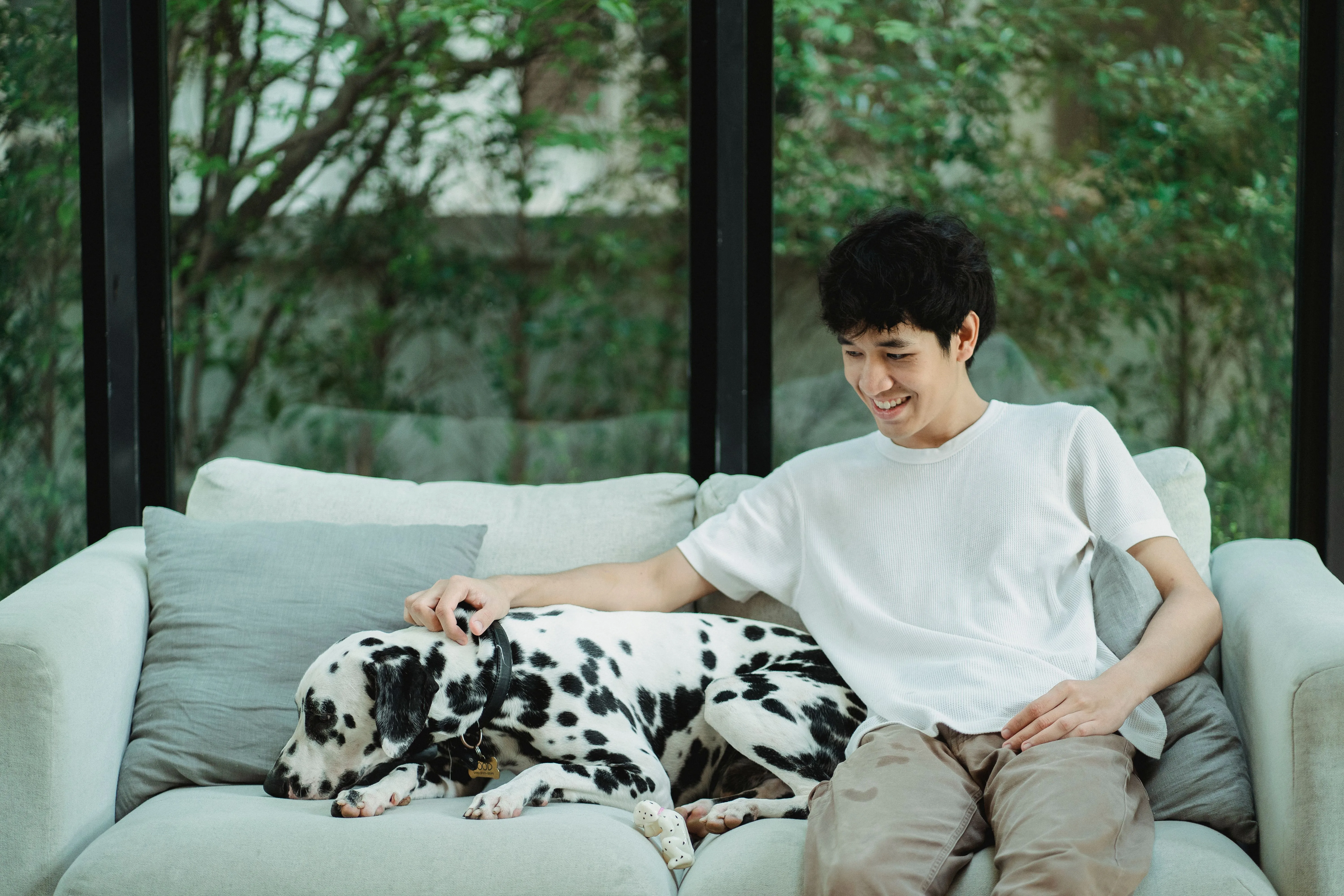
Start with the easiest of peaceful self care ideas: sit somewhere new
Your home has a default seat. The couch corner with the dent in it, the desk chair, the side of the bed nearest the charger. Sit somewhere else. The floor of the hallway. The kitchen counter. A chair turned ninety degrees so it faces a wall you never look at.
This sounds too small to count, which is roughly the point. A loud week leaves no bandwidth for anything that has to be scheduled first. Change your position and you change what your eyes land on, and unfamiliar sightlines tend to pull attention outward instead of letting it loop.
Five minutes is enough. Ten is better. There is no correct posture and nothing to track afterward.
Take a warm shower with the lights off
Kill the overhead light. Leave the door open for a strip of hallway glow if full dark feels like too much, and run the water warmer than usual.
What you are after is sensory rest: fewer inputs competing for the same attention. No podcast. No phone propped on the sink. Steam, warmth, dark, water noise, and that is the whole list.
If your breathing settles on its own, let it. If it helps to lengthen the exhale on purpose, a meta-analysis of voluntary slow breathing studies reported consistent increases in vagally mediated heart rate variability during sessions and just after them, a common marker of parasympathetic activity in the nervous system [2]. Whether that translates into feeling calmer varies quite a bit between people.
Do one slow, useless task with your hands

Useless is doing real work in that sentence. Skip the dishes and the laundry pile; they belong to the week you are trying to put down.
Peel a whole orange in one strip. Sort a drawer of cables nobody will ever use. Water plants that do not need it. Sharpen a pencil badly. Slow living in its least pretentious form is a task with a beginning and an end that nobody is waiting on. Hands occupied, outcome irrelevant.
This often works better than sitting still, especially for people whose brains get louder in silence, because there is something concrete to return attention to when it wanders. Stop when it stops being pleasant, rather than when the task is finished.
Eat something warm that you did not plan
Toast with too much butter. Instant noodles. A mug of soup from a carton. Rice with an egg on top.
Decision fatigue is real by Friday, and the meal that was supposed to happen is usually the one abandoned at 9pm in favour of nothing at all. Warm and unplanned beats correct and theoretical. Eat it sitting down, off a plate if that is easy and off the pan if it is not.
There is no nutritional argument being made here. The argument is that being fed is a precondition for most restorative activities working at all, and a depleted evening is a bad time to also be quietly hungry without noticing.
Open a window and listen for five minutes
A window delivers information you did not choose. Traffic two streets over. A dog. Someone else’s television. Wind in whatever tree is nearest.
Set a timer for five minutes if the alternative is checking the clock every thirty seconds. Skip the timer entirely if timers feel like homework. The listening itself is the activity, and there is no version of it you can do wrong.
Attention that has spent all week being yanked around by notifications gets to be pulled instead by something with no agenda and nothing to sell. Cold air helps. So does knowing you can close the window whenever you like and nobody will follow up about it. If you happen to live somewhere genuinely loud, skip this one without guilt.
Read on paper for as long as it holds
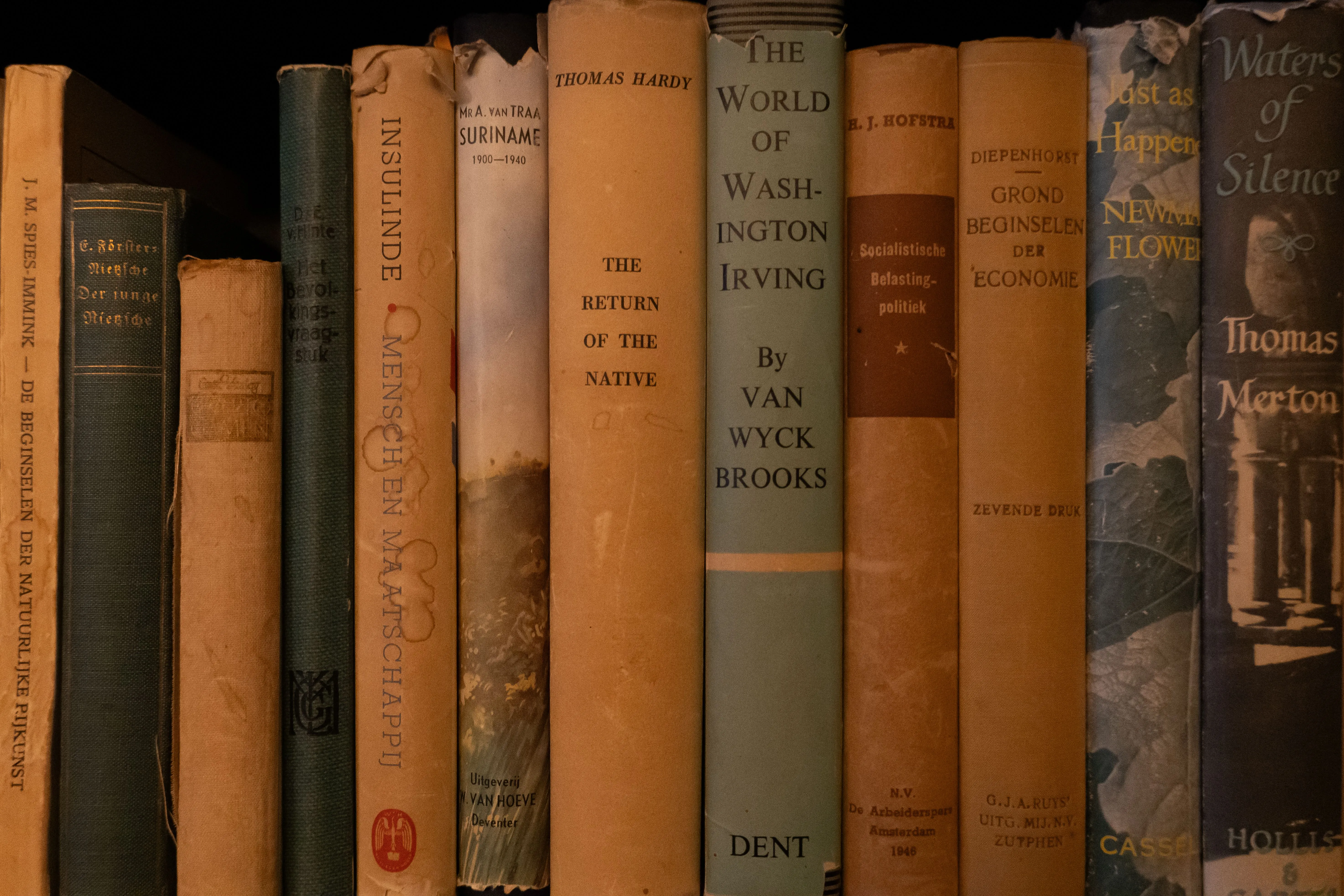
Paper wins here for one boring reason: a book cannot notify you.
Magazine, novel, cookbook, the same three pages you have already read four times this month. Set the bar at a single page. If it holds, keep going. If it does not, put it down without adding it to the pile of things you failed to finish this week.
Reading before bed is the least demanding digital detox available, in that it needs no app, no settings change, and no announcement to anyone about what you are giving up. Occupied attention is the goal, not comprehension. Nobody is quizzing you on it in the morning, and forgetting the plot by Sunday is a perfectly acceptable outcome.
Put on one album and do nothing else
One album, start to finish. No shuffle. No skipping the track you have never liked. No second screen glowing in your lap.
Forty minutes of a single thing is unusual now, and that is part of what makes it land. Lie on the floor. Close your eyes. Let it be worse than you remembered in places.
Music you already know works better than music you are evaluating, since discovery is a task and this is meant to be the opposite of a task. A familiar record gives the evening a shape and an ending without asking you to decide anything along the way, which is the quality most self care ideas lose the moment you are running on empty.
Write the list down so you can stop carrying it
Everything you are supposed to remember is currently being stored in the least reliable place available, which is your tired head at 10pm. Paper, notes app, back of an envelope. Get it out of there.
Then, if there is energy for a second pass, write two or three sentences about what the week actually felt like. Unedited, and for nobody.
A meta-analysis of 146 randomized studies of expressive writing found a small but statistically reliable average benefit across psychological and health outcomes, with the size of the effect varying by who was writing and what they wrote about [4]. Small is the honest word. It is also free, takes about four minutes, and usually makes the list look shorter than it felt while you were carrying it.
Go outside without your phone
A walk with no destination. Out the door, around one block, back in. Phone stays on the counter, face down, on purpose.
Field research on brief nature contact has reported measurable drops in salivary cortisol after short outdoor experiences, with the benefit per minute peaking somewhere around twenty to thirty minutes in one repeated-measures study of city dwellers who chose their own timing and location [1]. Samples in this literature are often small and results vary by person and by setting, so promising is a fairer word than settled.
Ten minutes on a residential street with a few trees still counts. Leaving the phone behind is what makes it different from every other time you have gone outside this week.
Go to bed an hour early with no rules about the alarm
An hour earlier than usual, without the accompanying project of Fixing Your Sleep. No wind-down protocol to execute, no tracking, no promises about tomorrow morning.
In one small randomized trial, participants asked to stop using their phones thirty minutes before bed for four weeks reported better sleep quality and shorter time to fall asleep than a control group [3]. It was a pilot with 38 people, so treat it as suggestive rather than proof of anything.
The practical version survives without the evidence anyway. Lying down early with the lights off and no expectation attached is one of the few restorative activities that costs nothing and reliably ends the day. Set the alarm you normally set. Anything past that is a bonus.
Ten options, and the reasonable expectation is that you use one. Maybe two, on a good night.
A quiet evening does not get assembled out of a stack of interventions. It gets assembled out of one small thing you did not have to talk yourself into first. If nothing on the list appeals, #4 is the sensible default, because eating something warm makes everything after it more likely to work.
And if the week has gone past ordinary tiredness into something that does not lift when you rest, that is worth mentioning to someone who can actually help rather than filing under evening routines.
The rest of this is furniture rearrangement for a Friday night. Sit somewhere new in your own home, and see how far that alone gets you.
References
- (2019). Urban Nature Experiences Reduce Stress in the Context of Daily Life Based on Salivary Biomarkers. Frontiers in Psychology. https://doi.org/10.3389/fpsyg.2019.00722
- (2022). Effects of voluntary slow breathing on heart rate and heart rate variability: A systematic review and a meta-analysis. Neuroscience & Biobehavioral Reviews. https://doi.org/10.1016/j.neubiorev.2022.104711
- (2020). Effect of restricting bedtime mobile phone use on sleep, arousal, mood, and working memory: A randomized pilot trial. PLOS ONE. https://doi.org/10.1371/journal.pone.0228756
- (2006). Experimental disclosure and its moderators: A meta-analysis. Psychological Bulletin. https://doi.org/10.1037/0033-2909.132.6.823
The fire's still going.
Stoke another read →