Comparison
Lamps vs ceiling lights: which lights a room better?
One floods the whole room and one shapes the mood, and the cheaper option is rarely the one people expect.
Draws on the evening-light and melatonin studies listed below
What's in this list
- 01Ambiance and layering: why lamps win the evening
- 02Coverage, cost, and the renter problem
- 03Getting lamps vs ceiling lights right, room by room
| Dimension | Lamps (floor and table) | Ceiling lights (overhead fixtures) |
|---|---|---|
| Ambiance | Pools of warm light at eye level. Easy to keep low and cozy in the evening, which suits winding down. | One bright wash from above. Efficient, but flat, and hard to soften without a dimmer. |
| Coverage and brightness | Lights zones, not whole rooms. Corners stay dim unless you add more lamps, which adds up. | Even, whole-room brightness from a central point. Best single source for cleaning, cooking, or finding things. |
| Cost and installation | Buy, plug in, done. No install cost. The recurring cost is buying several to cover a room. | The fixture is cheap; the wiring is not. A new ceiling box can cost more than the light itself. |
| Flexibility | Move them in minutes. Rearrange the furniture and the light follows. Comes with you when you move. | Fixed forever. The light lands where the wire was run, whether or not that's where you want it now. |
The verdict
For most rooms, lead with lamps and treat overhead light as backup. Lamps give warmth, control, and portability. Keep ceiling light where you truly need to flood a space: kitchens, bathrooms, hallways.
- Lamps (floor and table) suits
- Renters, movers, and anyone who wants a room to feel calm in the evening without rewiring anything.
- Ceiling lights (overhead fixtures) suits
- Anyone who wants even, whole-room brightness from one fixture, plus the lowest upfront spend and no furniture rearranging.
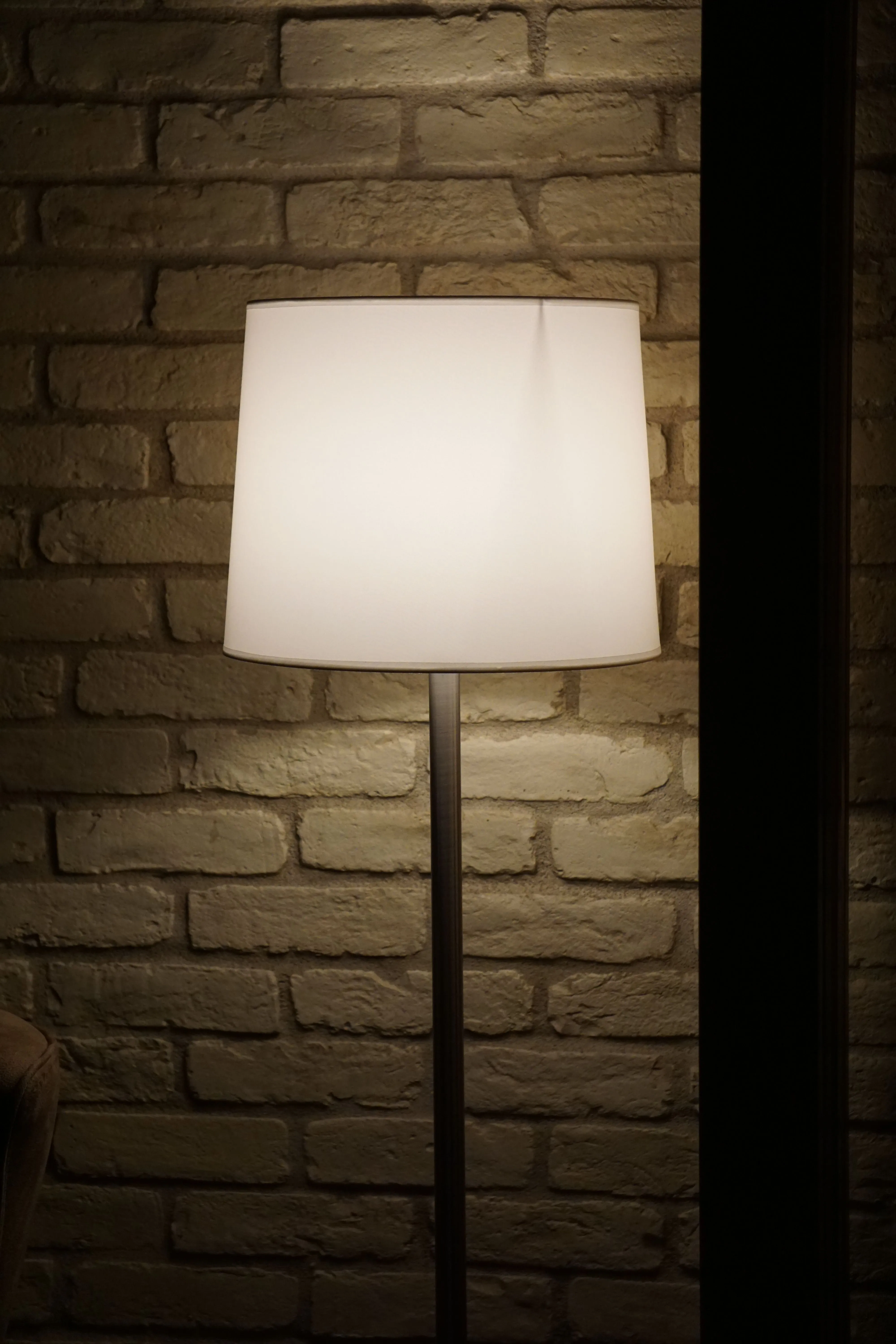
Walk into a room lit by one fixture bolted to the middle of the ceiling. Now flip it off and switch on two lamps in the corners. Same room, same walls, and yet it feels like somewhere else entirely.
That gap is the whole argument. Choosing lamps vs ceiling lights is less about which one is brighter and more about what a room is for, whether you rent or own, and how much a warm glow at 9pm is worth to you. Both throw light. They don’t throw the same kind of light.
Ambiance and layering: why lamps win the evening
Overhead lighting is a workhorse. It fills a room fast and evenly. But it’s one note, and a bright one, coming from a direction almost nothing in nature lights us from. That’s part of why a room lit only from above can feel like an office after dark.
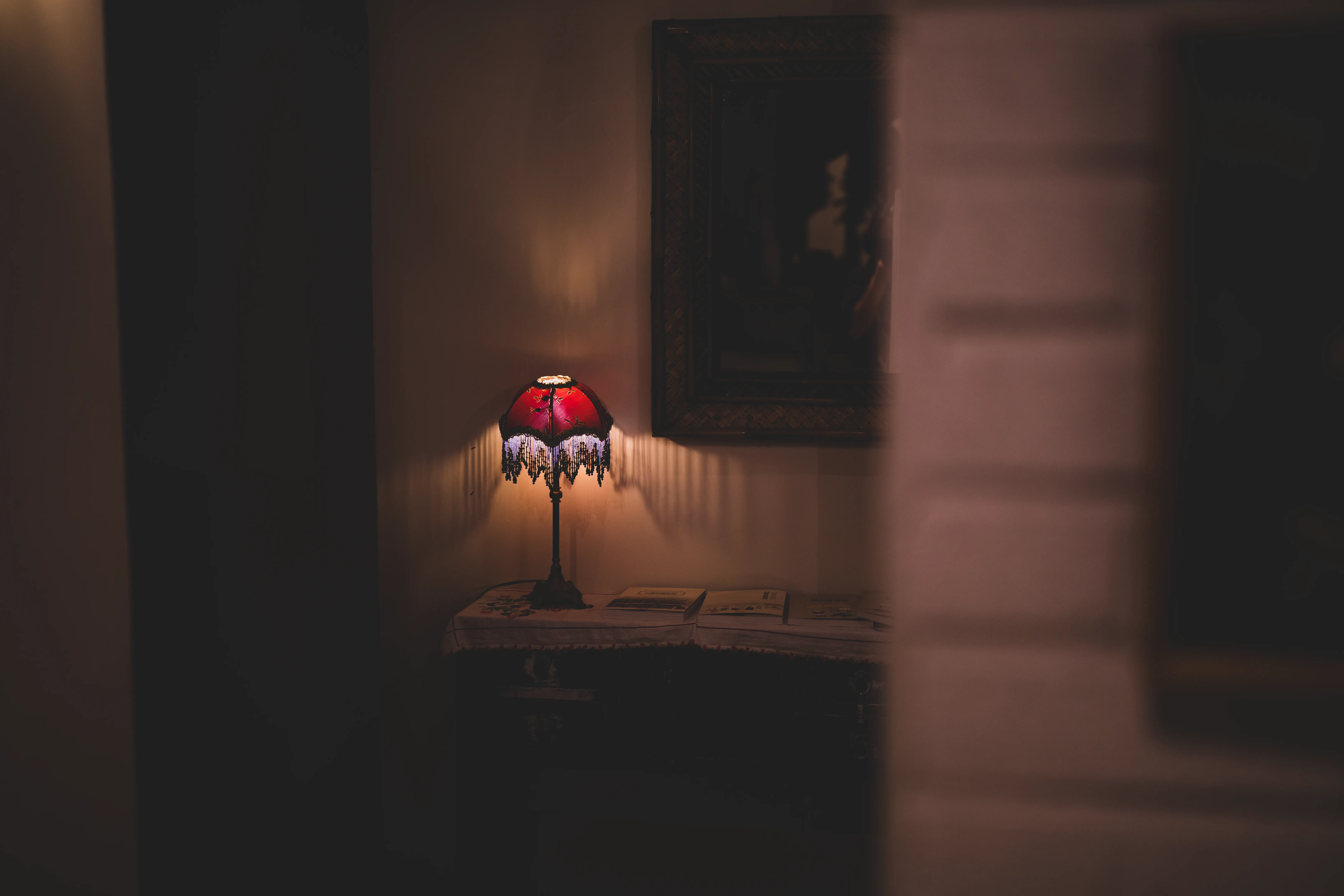
Lamps let you build layered lighting instead. A warm floor lamp for the reading corner, a low table lamp by the sofa, ambient rather than task lighting where a room just needs a glow. That split between ambient vs task lighting matters more than most fixture shopping accounts for. Overhead light does neither especially well, since it over-lights the whole room to solve for one bright spot.
Color temperature is the other half of it. Warm light in the evening isn’t only a matter of taste. Cooler, blue-enriched light suppresses melatonin more than warm light does, and evening exposure to it has been linked with raised alertness right when your body is trying to wind down [1][2]. Lamps make warm light ambiance easy to keep low and late. A lone bright ceiling fixture pushes the other way.
Coverage, cost, and the renter problem
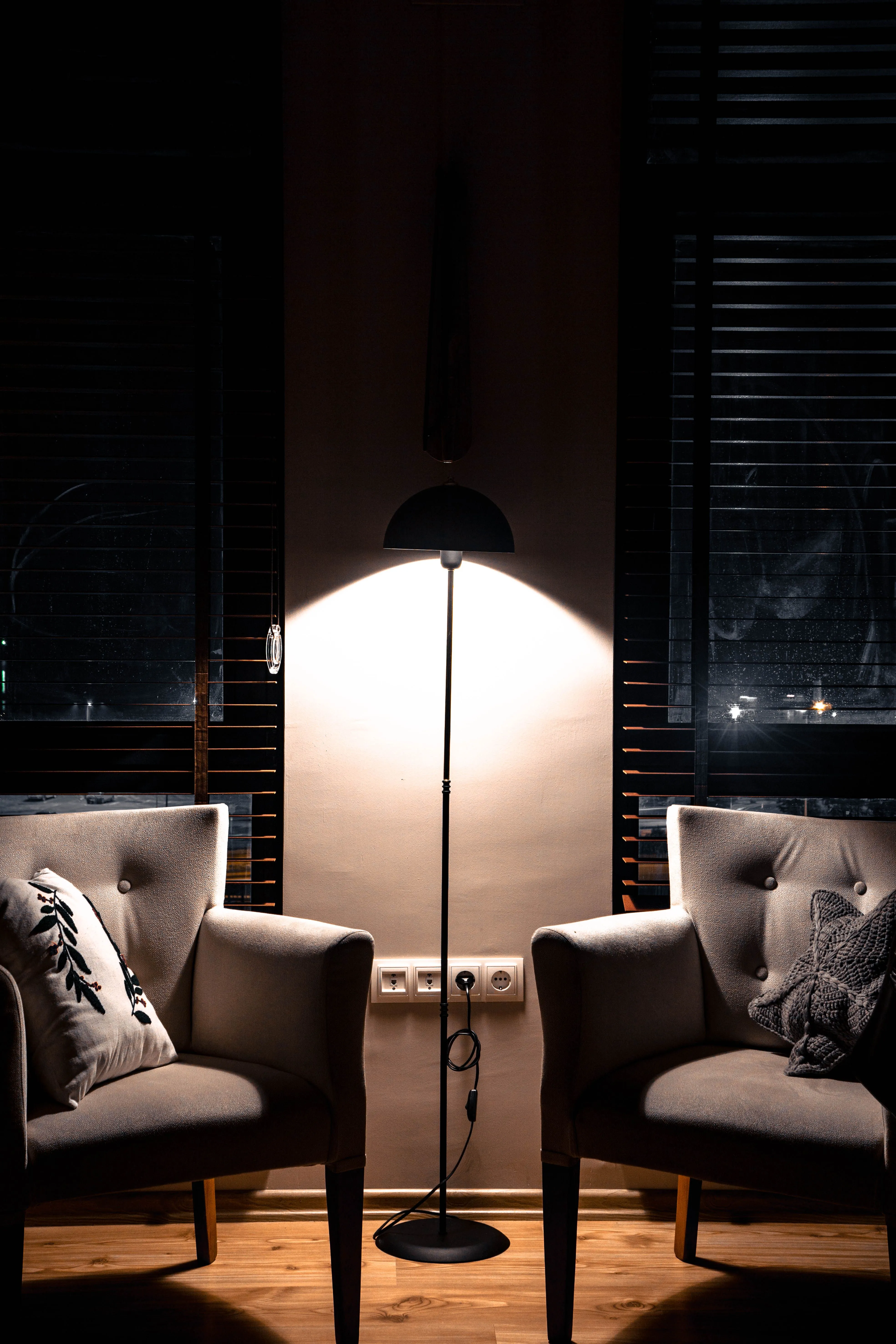
Here’s where ceiling lights earn their keep. One overhead source lights a whole room evenly from a single switch. Floor lamp coverage is patchy by comparison. A lamp lights a zone, so covering a large room means three or four of them, and that stops being cheap. If a space needs to be uniformly bright for cooking, grooming, or folding laundry, overhead wins outright.
Lighting cost splits in a way sticker prices hide. A ceiling fixture can be cheap, but a room with no existing electrical box means paying an electrician to run one, and that labor often costs more than the fixture. Lamps carry no install cost. You plug them in.
Then there’s renter lighting. A tenant usually can’t rewire anything, and can’t take a hardwired fixture along when the lease ends. Lamps dodge both problems: nothing to install, nothing to leave behind. For anyone who moves every couple of years, that flexibility isn’t a bonus. It’s the deciding factor.
Getting lamps vs ceiling lights right, room by room
The honest answer is that this was never a fight to the death. The best-lit rooms use both, weighted differently depending on what the room does.
Living rooms and bedrooms lean lamp-heavy. These are rooms for relaxing, and layered pools of warm light beat a single overhead flood. Keep the ceiling fixture on a dimmer as a backup for when you drop an earring, and let the lamps carry the mood the rest of the time.
Kitchens, bathrooms, entryways, and hallways lean overhead. Function beats atmosphere here, and even, bright, whole-space coverage is the job. A lamp in a kitchen is a decoration, not a light source.
Home offices sit between the two: overhead for baseline brightness, plus a task lamp aimed at the desk for the actual work.
So where should the money go? Start with lamps, and stop treating the ceiling fixture as the default main event. Two or three well-placed lamps transform an ordinary room more than any single overhead light can. They cost nothing to install, they move when the furniture does, and they make warm evening light effortless. The overhead fixture stays genuinely useful, but as a flood-the-room backup rather than the room’s entire lighting plan. The one clear exception is spaces built around function over feeling, kitchens and bathrooms most of all, where even overhead brightness is exactly the point and a scatter of lamps just gets in the way. If you rent, or you just want a calm room after dark, lamps are the smarter first buy. The ceiling can wait.
References
- (2011). Non-visual effects of light on melatonin, alertness and cognitive performance: can blue-enriched light keep us alert?. PLoS ONE. https://doi.org/10.1371/journal.pone.0016429
- (1996). Effects of lights of different color temperature on the nocturnal changes in core temperature and melatonin in humans. Applied Human Science. https://doi.org/10.2114/jpa.15.243
The fire's still going.
Stoke another read →