8 Wellness Home Decor Elements Inspired by Feng Shui

What's in this list
- 01Understanding Modern Feng Shui Principles
- 02The Commanding Position for Beds and Desks
- 03Clearing Energy Blocks in Entries
- 04Balancing the Five Elements at Home
- 05The Quiet Cost of Broken Decor Items
- 06Using Crystals and Minerals Tastefully
Your bed faces the wrong way. Or at least, the part of your brain that evolved to watch a cave mouth for movement thinks so.
Feng shui has spent roughly three thousand years figuring out where things go and why. Set the cosmology aside and a surprising amount of what remains lines up with what environmental psychologists measure in labs: how sightlines, clutter, and material variety shape the way a room makes you feel.
This isn’t a metaphysics lecture. It’s a practical reading of old spatial wisdom against current research, aimed at that corner of your home that feels off in a way you can never quite name.
Eight ideas follow. The second one, the placement thinking behind the “command position,” is the one most people get backward in their own bedrooms, and it has a measurable effect on the body’s alertness system.
Understanding Modern Feng Shui Principles
Classical feng shui organizes a home around the smooth movement of qi, a kind of vital energy. You don’t have to buy the metaphysics to use the framework. What survives translation is a set of feng shui tips about flow, sightlines, light, and the emotional tone of materials, which is the backbone of most wellness home decor worth the name.
Modern practitioners lean on the Bagua map, which divides a space into zones tied to life themes, and on the broader goal of unobstructed energy flow design. Read pragmatically, that goal makes plain sense. A room where you move freely, see clearly, and aren’t visually assaulted by stuff tends to feel calmer.
Think of feng shui as an old, intuitive interface for environmental psychology. The vocabulary is poetic. The concerns underneath it, comfort and control and a sense of safety, are things researchers can measure and do.
The Commanding Position for Beds and Desks
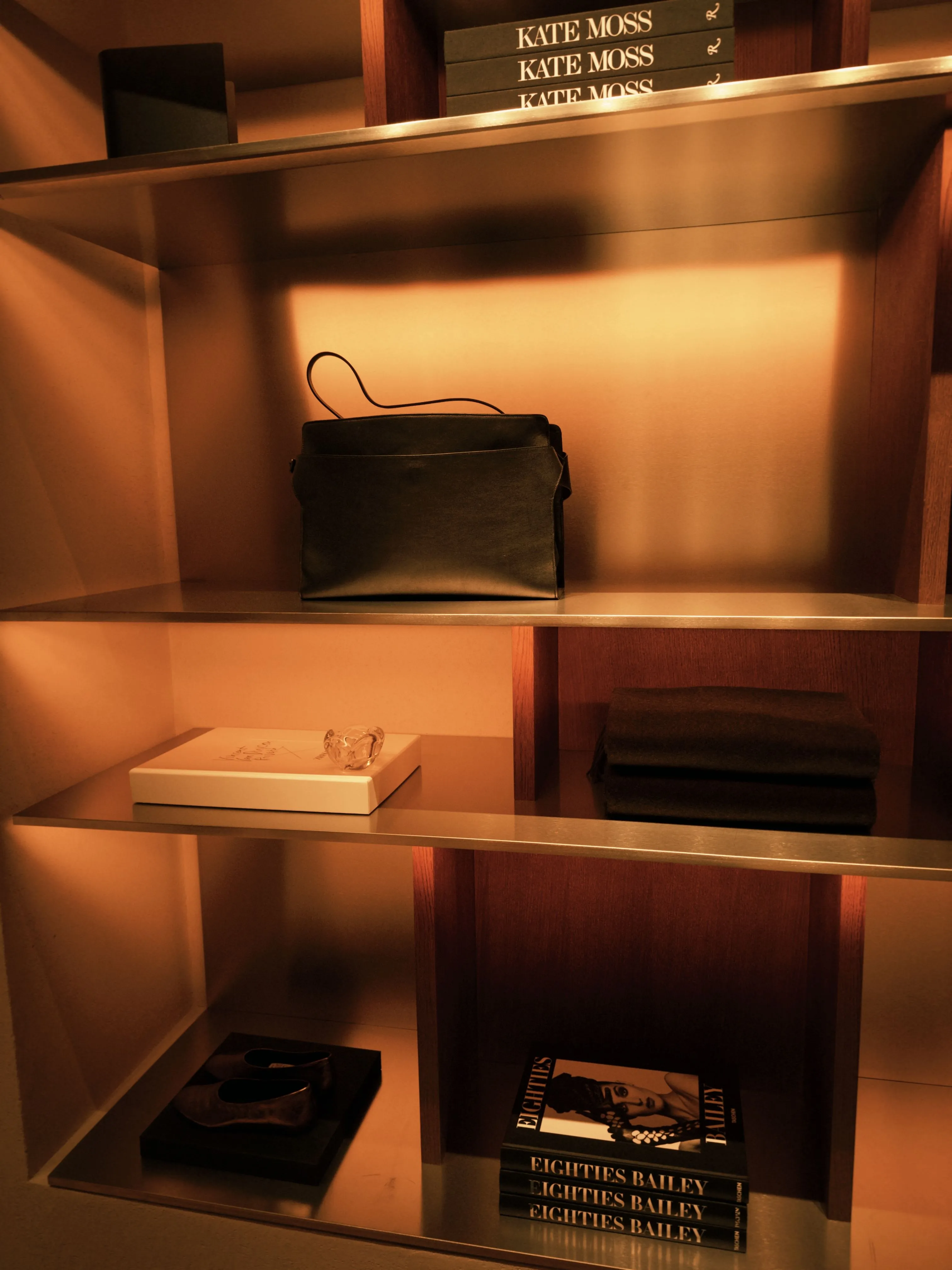
The command position is the most quoted rule in the practice, and it’s the one worth taking seriously. You place your bed or desk so you can see the door without sitting directly in line with it, ideally with a solid wall behind you.
There’s a name for why this feels right. Prospect-refuge theory says humans prefer spaces that offer both a clear view (prospect) and a protected back (refuge), a preference traced to ancestral survival pressures. Some recent neurophysiological work supports the link. An exploratory EEG study of desk orientation found that the setup combining outward visibility with visual backing produced neural patterns consistent with greater environmental stability, while seating people with their backs exposed to an entry left them more subconsciously vigilant [1]. Furniture with a clear view of entryways seems to quiet the subconscious fight-or-flight response.
The authors hedge, and so should we. It was a small pilot. Even so, mindful furniture placement that gives you sightline and backing costs nothing, and the body seems to notice.
Clearing Energy Blocks in Entries
Feng shui treats the front entrance as the mouth where energy enters the home. A doorway crowded with shoes, bags, and unopened mail counts as a blockage. The science arrives at a similar place by a different road.
Visual clutter measurably changes how the brain handles a scene. Yale researchers tracking activity in the primary visual cortex found that clutter alters the efficiency of information flow, and that the effect shifts depending on where the clutter sits in your field of view [2]. A crowded entry is exactly the kind of dense, peripheral mess that taxes spatial processing. Cluttered thresholds make a home harder to move through and register as stress the second you walk in.
That stress isn’t only perceptual. Home-tour research links cluttered, unfinished-feeling spaces to less healthy daily cortisol rhythms [3]. A clear threshold, a defined drop zone, and one deliberate focal point do real work the moment you step inside.
Balancing the Five Elements at Home
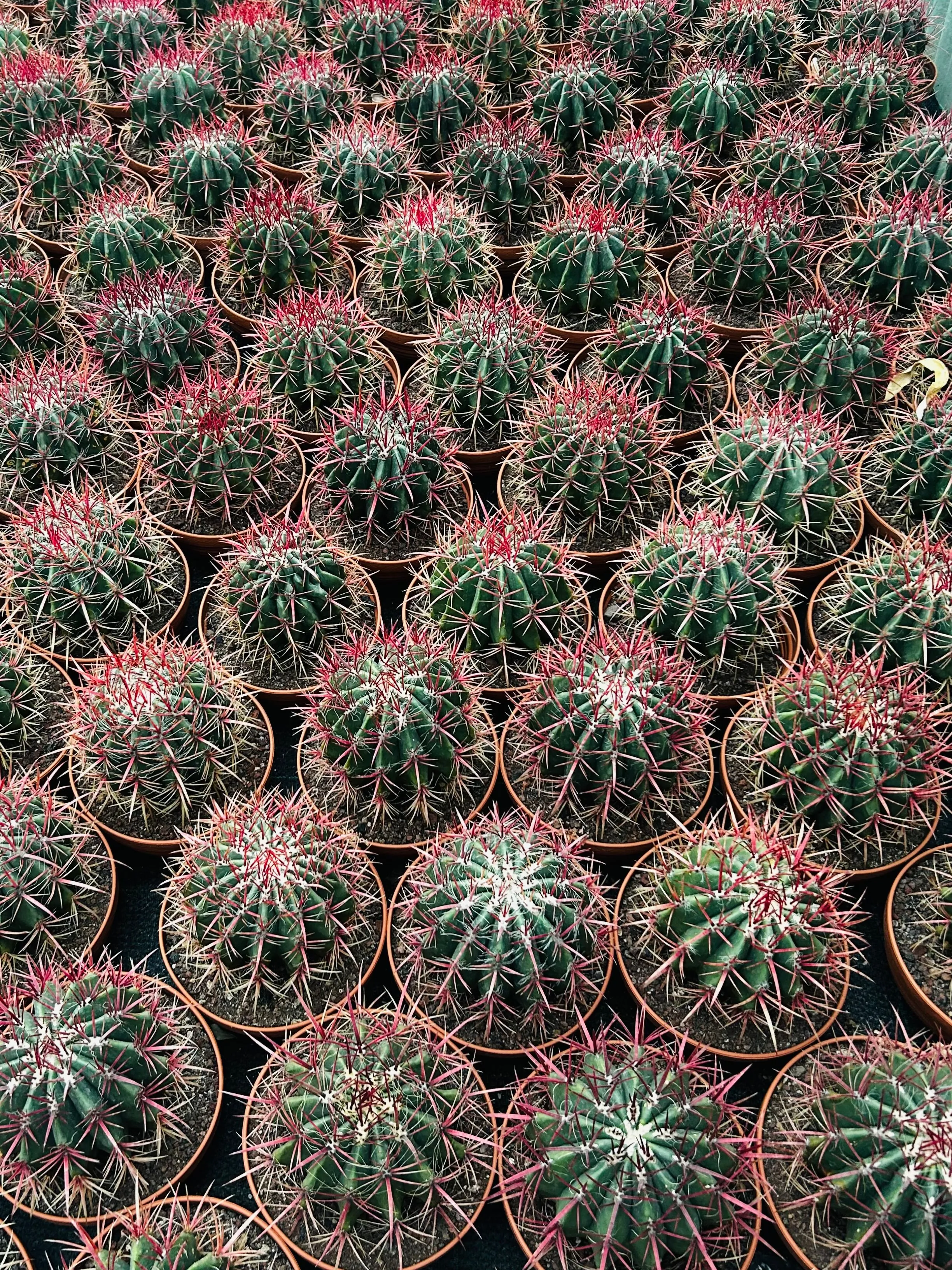
Wood, fire, earth, metal, water. The five elements home framework asks you to spread these qualities so no single one dominates a room. In decorating terms, it’s a system for material and color variety dressed in elemental language.
Wood shows up as plants, timber, greens. Fire is warm light, candles, reds. Earth means ceramics, terracotta, grounded browns. Metal brings cool tones, mirrors, crisp lines. Water is glass, reflective surfaces, flowing shapes.
The practical payoff is texture. A room built from one palette and one material reads flat and slightly anxious. Bring in a spread of surfaces, a plant, a ceramic vessel, a metal frame, a soft textile, and the eye gets places to rest. You’re not summoning cosmic forces. You’re giving a space enough sensory range that it stops looking like a showroom and starts feeling lived in. That fuller, more varied environment is close to what researchers call a restorative home.
The Quiet Cost of Broken Decor Items
Feng shui is firm about broken objects. The cracked mug you keep meaning to glue, the clock stuck at 4:15, the lamp that flickers, all of it is said to drain energy from a room. The reasoning translates cleanly into psychology.
A broken item is an unfinished task wearing a disguise. Every time it catches your eye, it fires off a small, silent reminder of something undone. Home-tour research connects spaces that feel unfinished and cluttered to flatter cortisol patterns and a more stressful sense of home [3]. A drawer of dead batteries and a wobbling chair are a kind of environmental nagging.
There’s a perceptual cost too. Clutter and visual noise compete for processing resources [2], and a collection of half-broken things is exactly that kind of noise. Repairing, rehoming, or letting go of these objects removes a layer of low-grade demand you stopped consciously registering long ago. The relief when a room is finally whole tends to be bigger than the effort it took.
Using Crystals and Minerals Tastefully
Crystals are where feng shui and wellness decor earn their reputation for woo. Set the energetic claims aside, since they aren’t supported by evidence, and a quieter case remains for using minerals as decor.
A piece of raw amethyst, a slab of agate, a smooth river stone: each brings real material variety into a room. In the five elements language, these read as earth, grounding a space dominated by metal and glass. As objects, they offer natural texture, irregular form, and a color depth that mass-produced decor rarely matches.
Restraint is the whole game. A single well-placed mineral on a shelf works as a focal point and a tactile invitation. A windowsill crammed with forty crystals becomes the visual clutter the rest of this list warns against. Treat them the way you’d treat any sculptural object: chosen, spaced, allowed to breathe. The calm they bring is the calm of a considered surface, not a magic frequency, and that’s plenty.
Notice that nothing here asked you to believe in qi. The command position earns its keep because your nervous system reads sightlines and backing, the way prospect-refuge research describes. The entry rule holds up because cluttered thresholds tax visual processing and track with rougher cortisol days. The five elements survive as a sensible argument for material variety.
Feng shui got there first, through centuries of patient observation, and dressed the findings in poetry. The research is catching up to the intuition, with appropriate caution about small samples and early results.
Start with the second item on this list. Walk into your bedroom, find where your bed sits relative to the door, and shift it until you can see the entrance from a backed position. It’s the cheapest change here and often the one you feel that same night. The rest of the rooms can wait for the weekend.
References
- (2026). Prospect and Refuge in the Workplace: An Exploratory Pilot EEG Investigation of Desk Orientation and Hypervigilance Among Adults with ADHD. Architecture. https://doi.org/10.3390/architecture6020051
- (2024). Spatial context non-uniformly modulates inter-laminar information flow in the primary visual cortex. Neuron. https://doi.org/10.1016/j.neuron.2024.09.026
- (2010). No Place Like Home: Home Tours Correlate With Daily Patterns of Mood and Cortisol. Personality and Social Psychology Bulletin. https://doi.org/10.1177/0146167209352864
The fire's still going.
Stoke another read →