Questions answered
Why Do I Wake Up Tired After Sleeping? Questions Answered
Eight solid hours and still wrecked at breakfast? The timing of the alarm may matter more than the total.
Draws on the peer-reviewed sleep studies listed below.
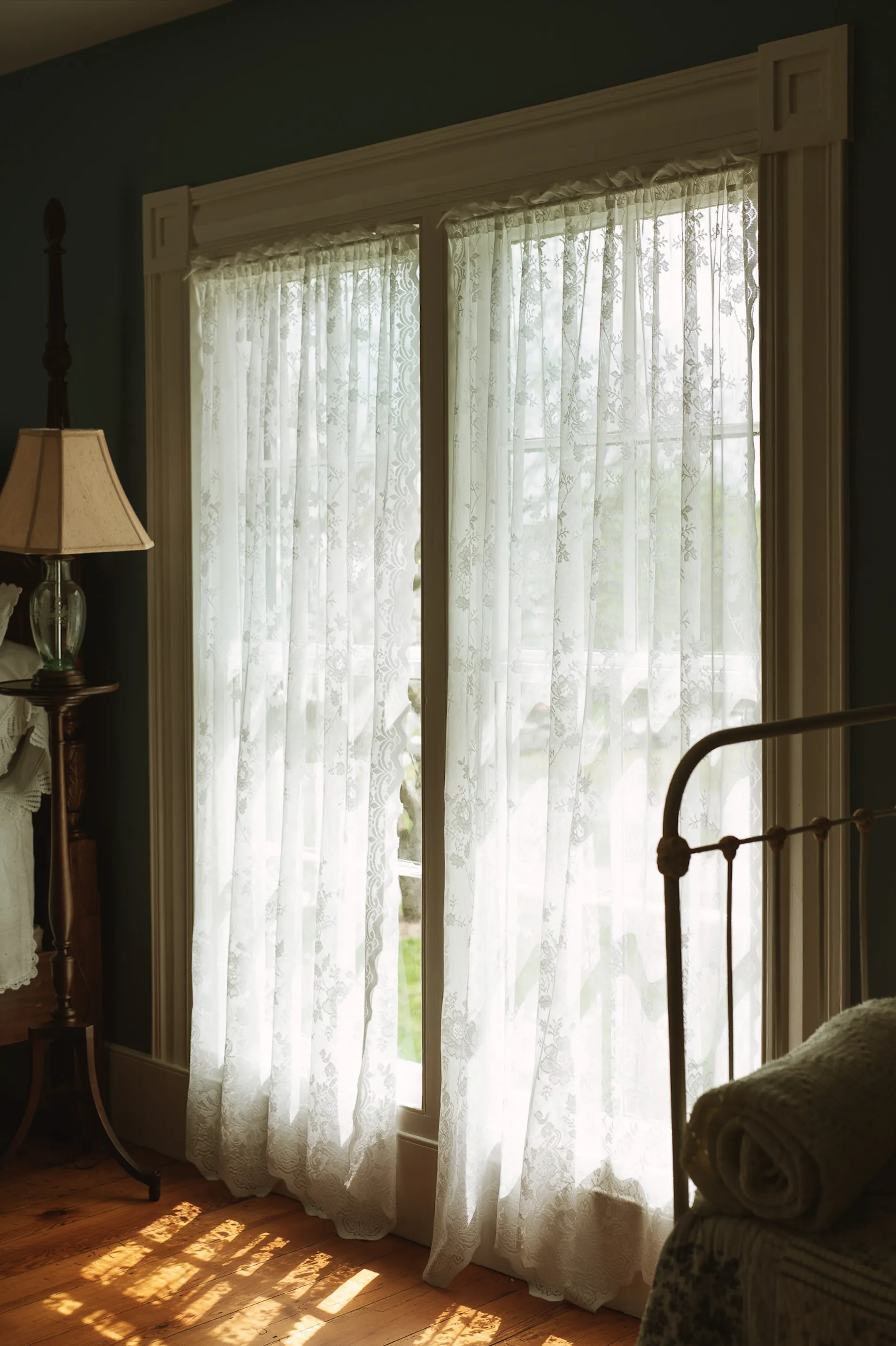
A full night in bed doesn’t guarantee a clear head at breakfast. You can log eight hours, skip the midnight scrolling, keep the room dark, and still wake up feeling like you got hit by a truck.
That gap between hours slept and how rested you feel has a name. Several names, actually, because more than one thing can be going on at once. Some of it is normal biology that fades in a few minutes. Some of it is a signal worth paying attention to.
Here’s the cluster of reasons people actually run into, sorted roughly the way the questions tend to come up.
Why do I wake up tired after sleeping a full eight hours?

Hours in bed and hours of real, restorative sleep are two different things. You can spend eight hours horizontal and still get shallow, chopped-up rest, especially if you woke briefly a few times without remembering it.
Timing matters as much as quantity. Sleep runs in cycles, and across the night you move through light stages, deep slow-wave sleep, and REM sleep. If your alarm goes off during a deep stage instead of a light one, you pay for it in grogginess no matter how long you were down.
Then there’s your circadian rhythm, the internal clock that decides when your body expects to be alert. Wake up far from your natural window, or keep a schedule so irregular the clock never settles, and the same eight hours feel thinner. So if you’re asking why do i wake up tired after sleeping a full night, the answer usually isn’t the total. It’s what happened inside that total.
What is sleep inertia and how long does it last?
Sleep inertia is the technical term for that heavy, disoriented feeling in the first stretch after you open your eyes. Your reaction time is slower, your judgment is fuzzier, and part of you just wants to go back under.
Researchers describe it as a transitional state of lowered arousal that causes a temporary dip in performance right after waking [1]. Without serious sleep loss behind it, it usually fades within about half an hour, and a nationwide survey of adults put the average self-reported clearing time near 16 minutes [2].
So if you feel useless for the first quarter of an hour and then slowly come online, that’s ordinary grogginess doing what it does. Light, movement, and a cup of coffee can shorten the runway. And sleep inertia says nothing about the quality of the whole night. It’s the opening credits, not the film.
Does waking up during deep sleep make you more tired?
The stage you’re in when the alarm fires has a real effect on how rough the landing feels. Being yanked out of deep slow-wave sleep produces noticeably more inertia than waking from the lighter stages, with REM sleep sitting somewhere in the middle [1].
This is why a nap that runs a bit too long can leave you groggier than a shorter one. You’ve dropped into deep sleep, and the alarm hauls you out mid-descent. It also sets up a cruel little loop: skimp on sleep and your body spends more time in deep sleep to catch up, which then makes any interrupted waking hit harder [1].
For your actual morning, it comes down to timing. Waking near the end of a cycle, in a lighter stage, feels gentler than waking from the bottom of one, even when the hours are identical.
Can poor sleep quality leave me exhausted even after enough hours?
Quantity is easy to track. Quality is the part people miss. Sleep quality is about how continuous and how deep your rest actually is, and it can be lousy even when the duration looks perfect on paper.
The usual culprits are micro-awakenings you never consciously notice, restlessness, or sleep that stays shallow and never settles into solid deep and REM sleep. Each interruption breaks up a cycle, and broken cycles are far less restorative than the same number of hours spent in unbroken sleep.
Caffeine late in the day, alcohol before bed, an irregular schedule, stress, screens: all of these can quietly erode quality while leaving your bedtime and wake time untouched. If your hours are solid but your mornings aren’t, quality is the layer to look at before you assume you just need more time in bed.
Could my bedroom environment be making me wake up tired?
Your surroundings shape your sleep whether you clock it or not. A bedroom that runs warm makes it harder to drop into deep sleep and stay there, because your core temperature needs to fall a little for good rest.
Light is the other big lever. Even a bit of light leaking in, from a streetlamp, a standby LED, or an early sunrise, nudges your circadian rhythm and can pull you toward waking before you’re ready. Noise does something similar, setting off brief arousals that fracture your cycles even when they don’t wake you fully.
Cooler, darker, and quieter is the direction that tends to help. Blackout curtains, an eye mask, earplugs or a fan for steady background sound, a thermostat set a few degrees down: each one targets the interruptions that thin out your sleep quality from the outside in.
How do I know if sleep apnea is why I wake up exhausted?
Sleep apnea is worth ruling out when tiredness sticks around despite decent hours, because it repeatedly interrupts your breathing during sleep and fragments your rest dozens or hundreds of times a night, often without you remembering any of it.
The pattern to watch for: loud, chronic snoring, gasping or choking sounds, breathing pauses a partner notices, morning headaches, and daytime sleepiness that a full night never seems to fix. And it’s common. One widely cited analysis estimated that close to a billion adults worldwide have obstructive sleep apnea, with most cases undiagnosed [3].
The reason this one outranks a warm bedroom is that untreated apnea is linked to broader health risks, and it won’t resolve on its own. Only a clinical sleep evaluation can confirm it, so recurring signs like these are a reason to talk to a doctor rather than something to troubleshoot at home.
Can dehydration or what I eat before bed make me wake up tired?
Diet and hydration sit lower on the list than apnea or sleep timing, but they do nudge how you feel in the morning. Going to bed noticeably dehydrated can leave you flat and headachy on waking, and dryness overnight can prompt awakenings.
Food timing plays a part too. A large or rich meal close to bedtime keeps your digestive system working when it should be winding down, which can make sleep shallower. Alcohol deserves its own mention: it helps a lot of people fall asleep faster, then wrecks the back half of the night, suppressing REM sleep and causing more awakenings as it wears off.
Caffeine is the obvious one, and it hangs around longer than people expect, so an afternoon coffee can still be shaping your night at 2am. None of these will single-handedly explain chronic exhaustion, but stack them together and they can tip an otherwise fine night into a groggy morning.
When should I see a doctor about waking up tired every day?
Occasional grogginess is normal, and the fixes above handle most of it. The thing to watch is persistence. Daily exhaustion that continues despite adequate hours, a consistent schedule, and a decent sleep environment is a signal that something below the surface may be involved.
Certain signs move this from a lifestyle question to a medical one. Loud habitual snoring, witnessed pauses in breathing, gasping or choking at night, morning headaches, and daytime sleepiness heavy enough to affect your driving or your work all point toward getting evaluated rather than continuing to experiment.
A clinician can look at the whole picture, including possibilities this article doesn’t cover, and set up a sleep study if it’s warranted. Sorting out whether the cause is harmless or treatable is genuinely worth doing, and it’s not a step to keep putting off when the tiredness won’t lift.
Waking up tired after a full night is rarely one problem with one tidy label. More often it’s a stack: an alarm landing in the wrong stage, a room a few degrees too warm, a glass of wine that quietly wrecked your REM sleep, a circadian rhythm that never quite settled.
The reassuring part is that the ordinary version, plain sleep inertia, clears in minutes and means nothing is wrong. The part to take seriously is exhaustion that refuses to lift no matter what you change. That’s the one that earns a conversation with a professional.
Start with the levers you control, watch how your mornings respond, and treat a persistent, unexplained drag as information rather than something to power through.
References
- (2000). Sleep inertia. Sleep Medicine Reviews. https://doi.org/10.1053/smrv.2000.0098
- (2026). Morning sleep inertia and its associated factors: Findings from a nationwide study. PLOS One. https://doi.org/10.1371/journal.pone.0337992
- (2019). Estimation of the global prevalence and burden of obstructive sleep apnoea: a literature-based analysis. The Lancet Respiratory Medicine. https://doi.org/10.1016/S2213-2600(19)30198-5
The fire's still going.
Stoke another read →