Questions answered
How Often Should I Water My Plants in Hot Weather?
A drooping plant at three in the afternoon and a drooping plant at nine at night mean two very different things.
Draws on the plant-water and irrigation studies listed below.
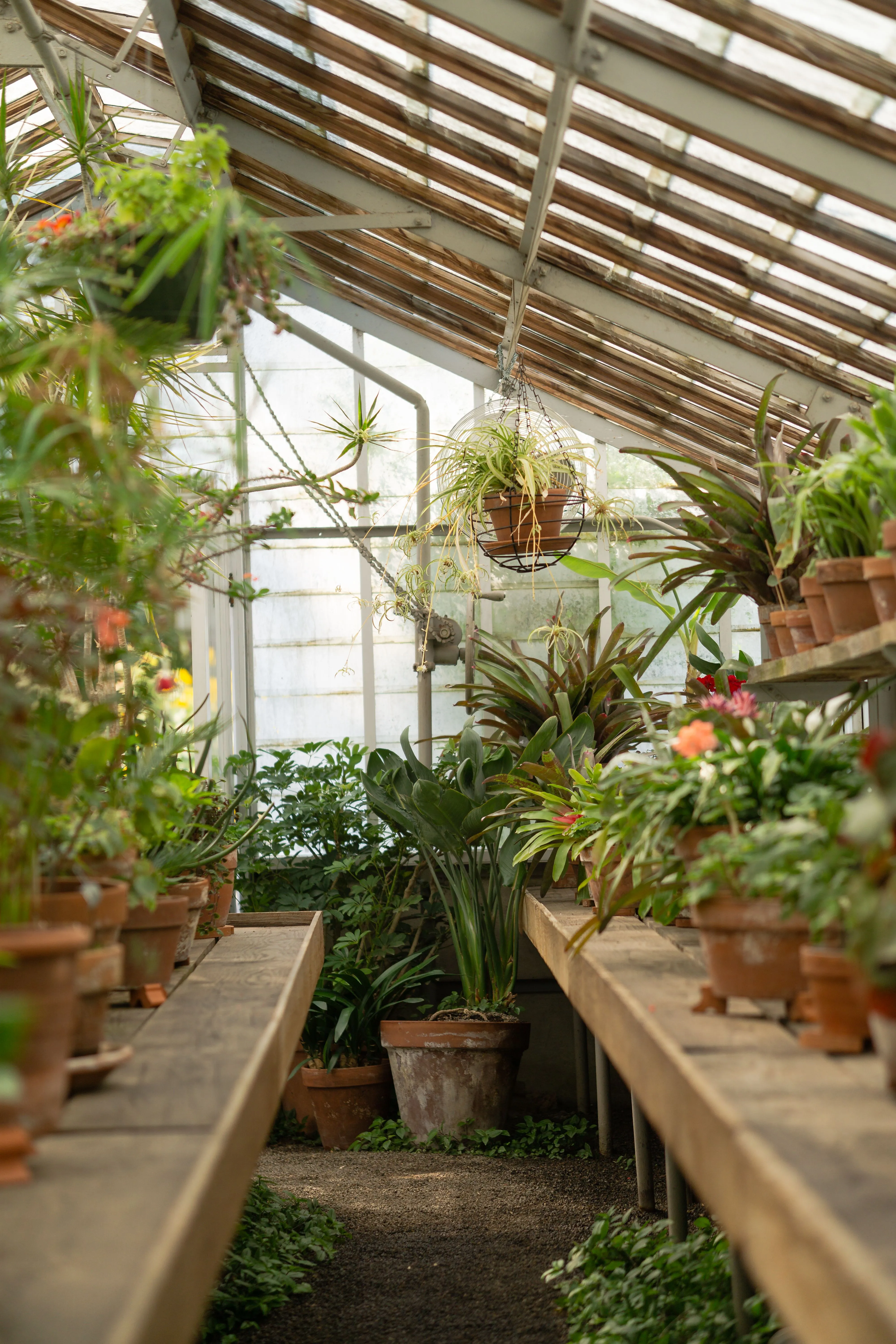
A pot that felt heavy on Tuesday can be bone dry by Thursday afternoon, and the plant in it usually looks fine right up until it doesn’t. Heat changes the maths of watering faster than most of us change our habits.
Here’s the annoying bit: the two most common heatwave mistakes look the same from the outside. A plant wilting in dry soil and a plant wilting in soggy soil droop in exactly the same way. One’s thirsty. The other is already drowning.
So below are the frequency ranges worth starting from, then the questions those ranges can’t answer for you.
How often should I water my plants in hot weather?
Heat drives up evapotranspiration, the water lost from soil and leaves together. Warm air also widens the gap in vapour pressure between the leaf and the atmosphere, which pulls water out faster and pushes demand up [1]. A pot that coasted for five days in May can run dry in one.
Sensible starting points: outdoor containers in full sun, daily. Small pots and hanging baskets, twice a day. Houseplants, every three or four days. Big containers with mulch, every second day.
Then correct by feel. Push a finger down two knuckles, or lift the pot and learn what dry weighs in your hand.
How often do potted plants outdoors need watering above 30C?
Small volumes of soil are the whole problem. A 15cm pot holds so little water that a single hot afternoon empties it, while a 40cm planter buys you a day or more of slack.
Slow and thorough beats frequent sips. Pour until water shows at the base, wait, then pour again if the first lot ran straight through, which is exactly what dried-out compost does.
A two-centimetre layer of mulch on top, bark or gravel, cuts evaporation from the soil by a noticeable amount. And shifting pots into afternoon shade for the worst three days does more than any tweak to your schedule.
How often should I water houseplants in a hot flat?
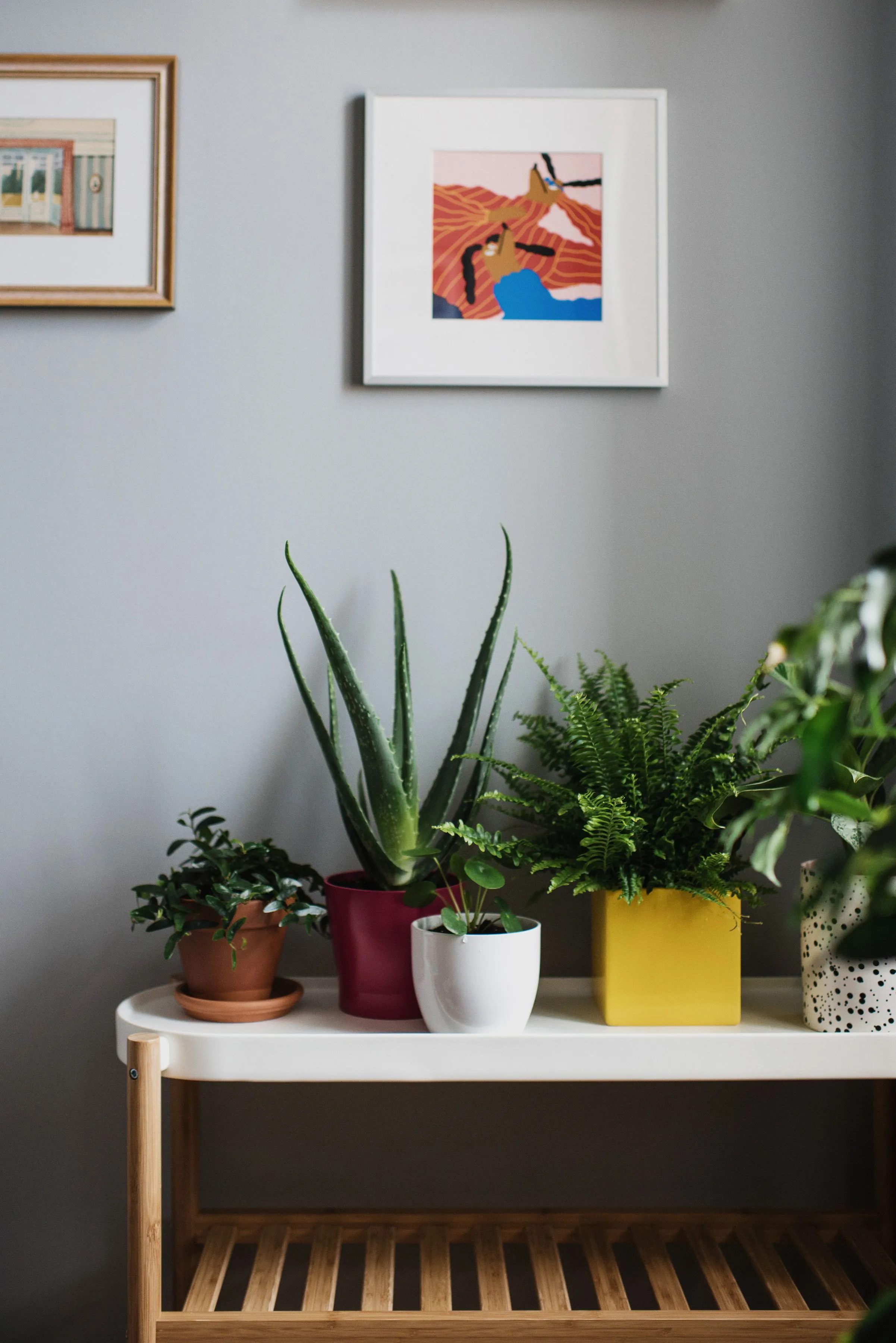
Indoor air in a heatwave turns warm and dry at the same time, so soil moisture falls faster even without direct sun on the pot. Plants near glass suffer most, because windowsill temperatures run well above the rest of the room. Fans and air conditioning dry things out quicker still.
Rather than lock in a new interval, feel the top few centimetres every second day and water when they’re actually dry, not just cool.
One trap: plants in plastic nursery pots tucked inside decorative outer containers dry out faster than they look, because the pot you can see stays cool to the touch.
Does the pot material change how often I water?
Unglazed clay is porous, and water moves through it. That’s reliable enough that buried unglazed clay pots have worked as slow irrigation for thousands of years, seeping water through the wall into the soil around them [2].
On a sunny balcony in August, terracotta pots are usually the first to run dry. Plastic and glazed ceramic hold moisture longer, which helps you in extreme heat and works against you for the rest of the year.
Dark plastic has its own catch. It heats up, and a hot root ball stresses a plant even when the soil moisture is fine.
Should I water in the morning or the evening?
Sprinkler trials make the timing effect easy to see: the same amount of water applied during the day lost roughly three times as much to drift and evaporation as water applied overnight, when the air was cooler and calmer [3].
Midday manages the worst of both, high evaporative demand and often the day’s strongest wind.
Early morning grabs most of that overnight advantage while giving the leaves the day to dry off, which matters for anything prone to mildew. On the very worst days, a second smaller watering in the late afternoon for your smallest pots is a perfectly reasonable thing to do.
Can I really overwater a plant in a heatwave?
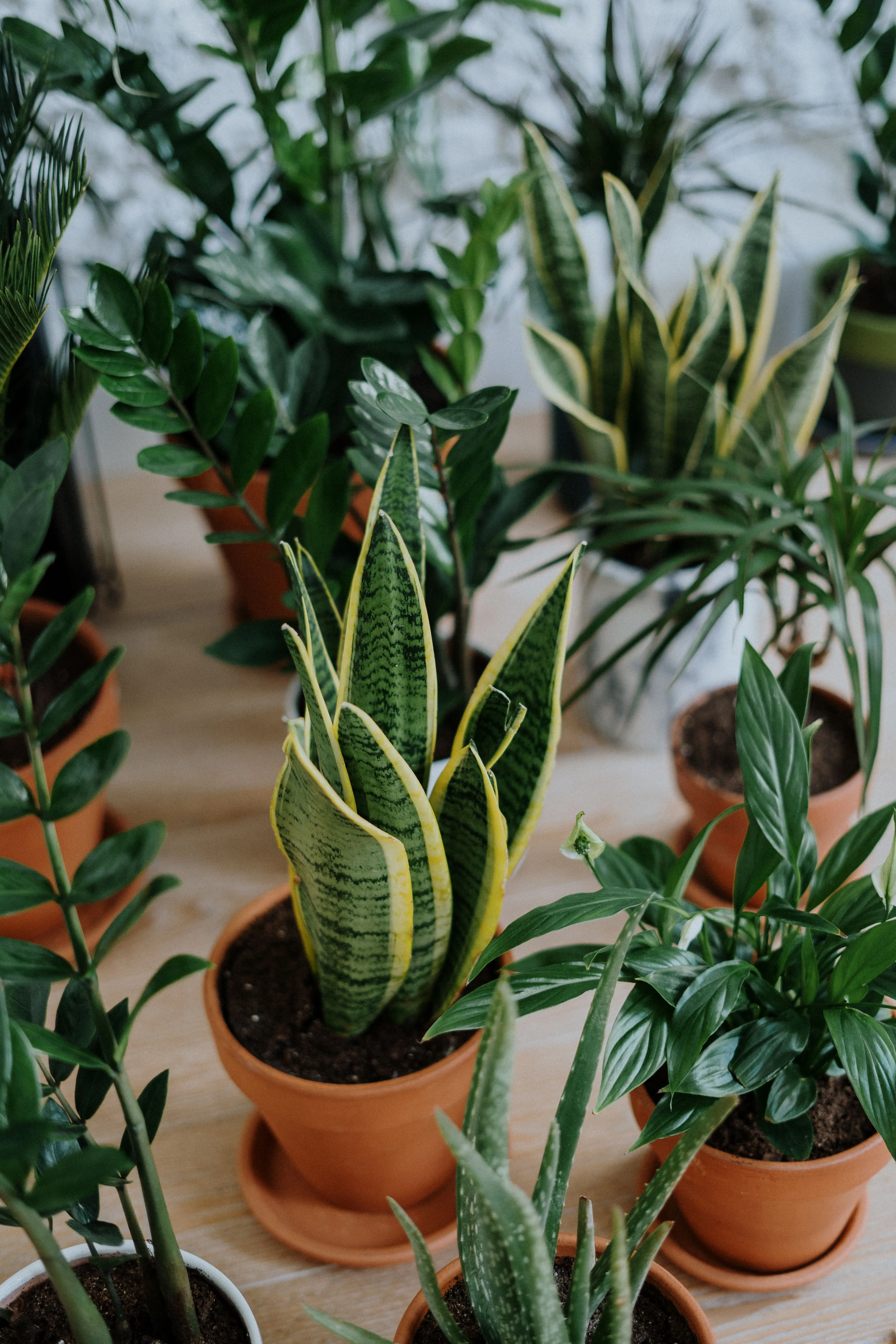
Heat nudges people to water more, which is usually right, and to leave pots standing in full saucers, which is usually wrong.
Once soil stays saturated, less oxygen reaches the roots and their respiration is impaired, which is the sequence behind most container-plant collapse [4].
Free drainage is your safeguard: holes that genuinely drain, a saucer tipped out twenty minutes after watering, and no gravel layer at the bottom, which does nothing useful. Watering thoroughly and then letting the top layer dry off keeps both risks in check better than small daily doses that never soak the root ball through.
Why is my plant wilting when the soil is still wet?
When vapour pressure deficit is high, transpiration can outrun what the roots can take up, and the stomata close and the leaves wilt even where there’s plenty of soil water [1]. That’s the classic afternoon droop that sorts itself out by evening.
The test is simple. Look again at nine at night. If it’s recovered, the plant was just managing the heat, and adding water only pushes it toward saturation.
Still limp after dark, in wet soil, points somewhere else entirely: roots that can no longer draw water up, which is what oxygen-starved, rotting roots do [4].
Does misting my plants actually help in the heat?
You can see the appeal, because dry air really is part of the problem. The catch is how long it lasts. Misted droplets are gone within minutes and the humidity around the plant drops back to whatever the room offers.
Steadier measures do more. Cluster pots so they share the moisture they transpire, stand them on trays of damp expanded clay, and shade the worst window through the afternoon.
Misting won’t hurt most foliage plants. On fuzzy-leaved species, and in still, warm rooms, it can bring on leaf spotting, so that’s a case worth skipping.
How do I keep my plants alive for the week I’m away?
Shade is the single biggest lever, because it cuts evaporative demand right at the source. Group the pots together on the shaded side of the balcony, which raises the humidity between them and shrinks the exposed surface area.
A self-watering planter with a reservoir covers a week comfortably for most plants, and a cheap version does nearly as well: a filled bottle with a cotton wick buried in the pot.
Trays of standing water are a last resort, and only for two or three days, given what saturated soil does to roots. Anything in a small terracotta pot deserves a neighbour with a spare key.
Which plants actually need less water in a heatwave?
Plants from hot, dry places cope with heat by cutting their losses rather than topping up. Succulents and cacti store water in their tissue and take in carbon dioxide overnight, so a heatwave shifts their needs far less than it shifts a calathea’s.
Rosemary, thyme and lavender hate wet feet at any temperature, and far more of them die of root rot than of drought.
Keep those in terracotta with a fast-draining, gritty mix, and water only once the soil is dry the whole way down. That sits much closer to where they’d grow in the wild than a daily can does.
Heat rewards attention over routine. The interval that worked in June is wrong in August and wrong again come September.
Two habits carry most of the weight: learning what each pot weighs when it’s dry, and checking the plants twice on the hottest days, once in the afternoon and once after dark. That second look is what tells you which kind of trouble you’re actually in.
References
- (2020). Plant responses to rising vapor pressure deficit. New Phytologist. https://doi.org/10.1111/nph.16485
- (2001). Buried clay pot irrigation: a little known but very efficient traditional method of irrigation. Agricultural Water Management. https://doi.org/10.1016/S0378-3774(00)00119-0
- (2016). Relevance of sprinkler irrigation time of the day on alfalfa forage production. Agricultural Water Management. https://doi.org/10.1016/j.agwat.2016.10.008
- (2025). A review of soil waterlogging impacts, mechanisms, and adaptive strategies. Frontiers in Plant Science. https://doi.org/10.3389/fpls.2025.1545912
The fire's still going.
Stoke another read →